
Start With the Task: A Better Way to Choose Prep Tools
A task-first checklist for comparing cutting, pressing, tenderizing, and everyday prep tools with less guesswork.
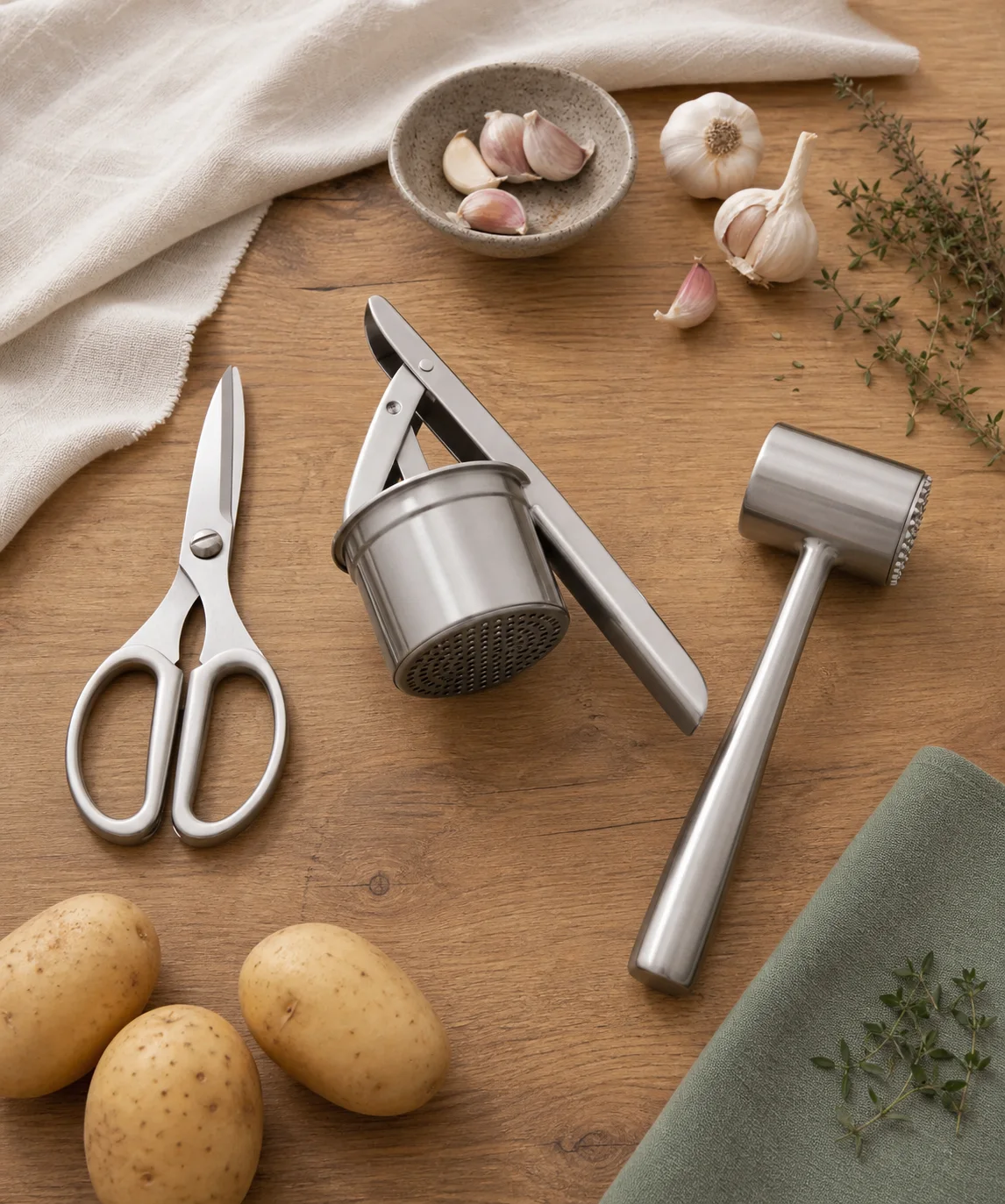
1. Name the motion before the product
Begin with a verb. Are you cutting through herbs, portioning food, pressing a cooked ingredient, crushing a small amount, or evening out texture? Two tools can look similar while producing very different movement and results.
Defining the motion prevents feature overload. It also gives you a simple way to reject extras that add weight, seams, or cleaning work without improving the task you actually repeat.
2. Read the working end
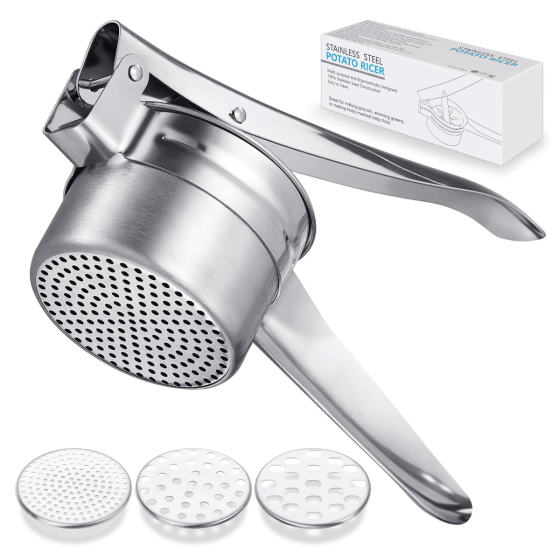
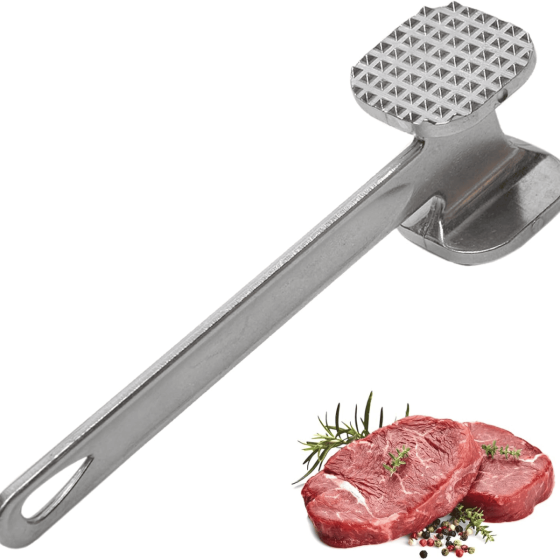
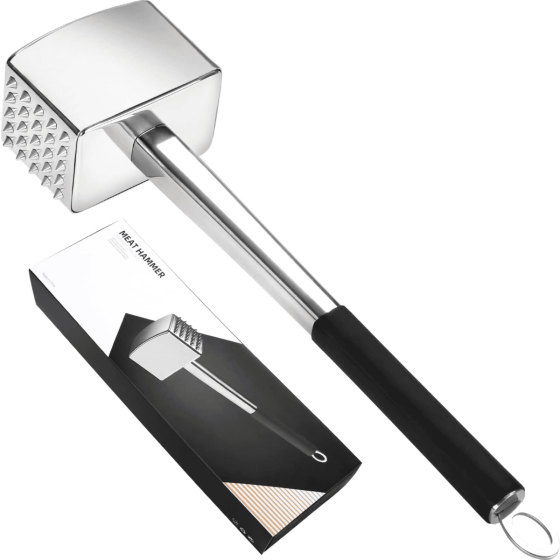
Look at the part that meets the food. Its shape, opening, surface, edge, or perforation pattern should match the result you want. A larger contact area may distribute force differently from a narrow one; a removable part may clean differently from a fixed joint.
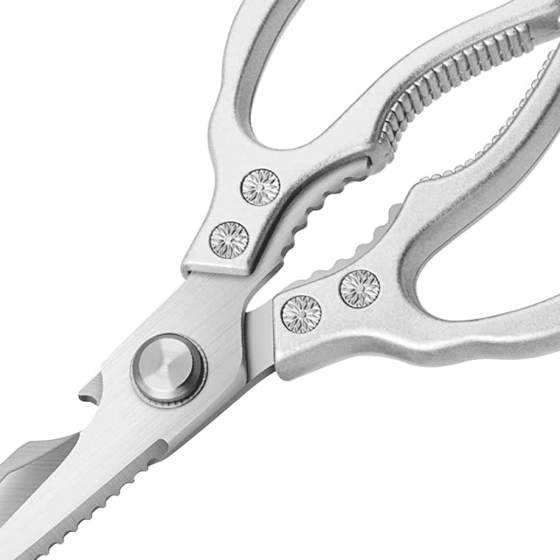
Treat marketing labels as a starting point. Use close-up images, measurements, and product instructions to confirm how the mechanism is built.
3. Follow the hand and the force
Imagine one complete cycle: pick up, position, apply force, release, set down. Check whether the grip gives your hand enough contact area, whether edges look comfortably finished, and whether a hinge or lever keeps fingers away from pinch points.
The best choice is not always the heaviest or most complicated. It is the one whose proportions and force path make sense for your hand, your ingredient, and the amount you usually prepare.
4. Finish with cleaning and storage
Before buying, trace where food can travel. Look for joints, cavities, textured grips, baskets, and narrow transitions. Then read the product-specific care directions and decide whether that routine fits the way your kitchen actually works.
Finally, picture where the tool will dry and live. A tool that is awkward to clean or store is less likely to stay within reach, no matter how persuasive the feature list sounds.
Related Tools
Related Content
 Design Note
Why Shape Matters: Grip, Joints, and Cleaning Paths
Look beyond styling and learn to read a prep tool through four functional details.
Check Details
Design Note
Why Shape Matters: Grip, Joints, and Cleaning Paths
Look beyond styling and learn to read a prep tool through four functional details.
Check Details
 Tool Guide
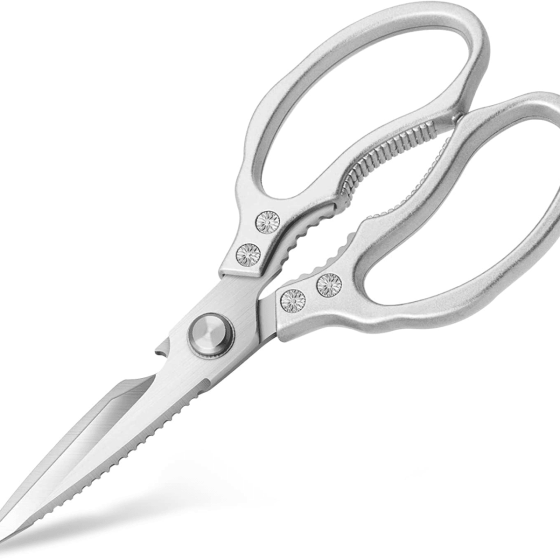
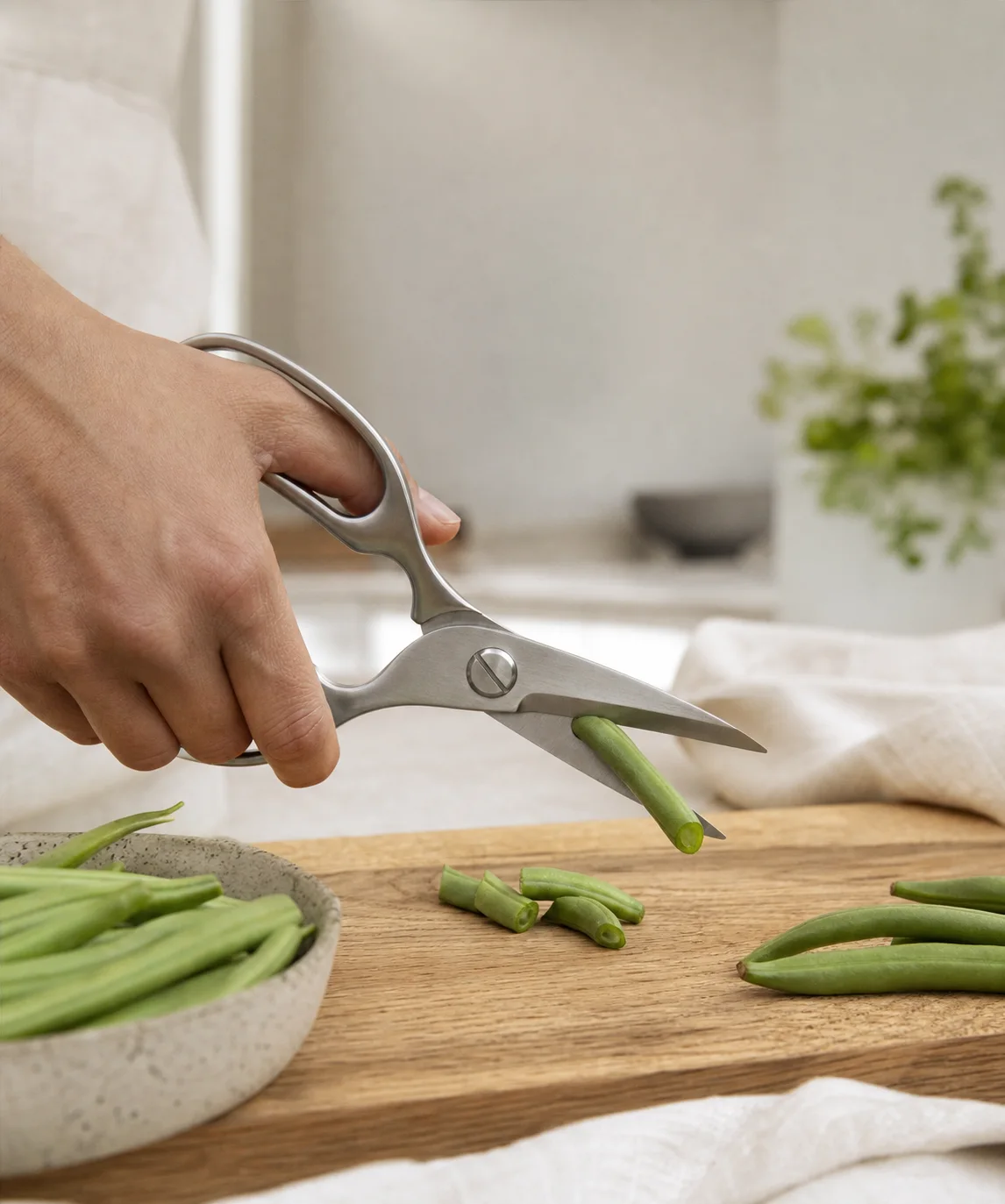
Kitchen Shears for Weeknight Prep: A Task-First Guide
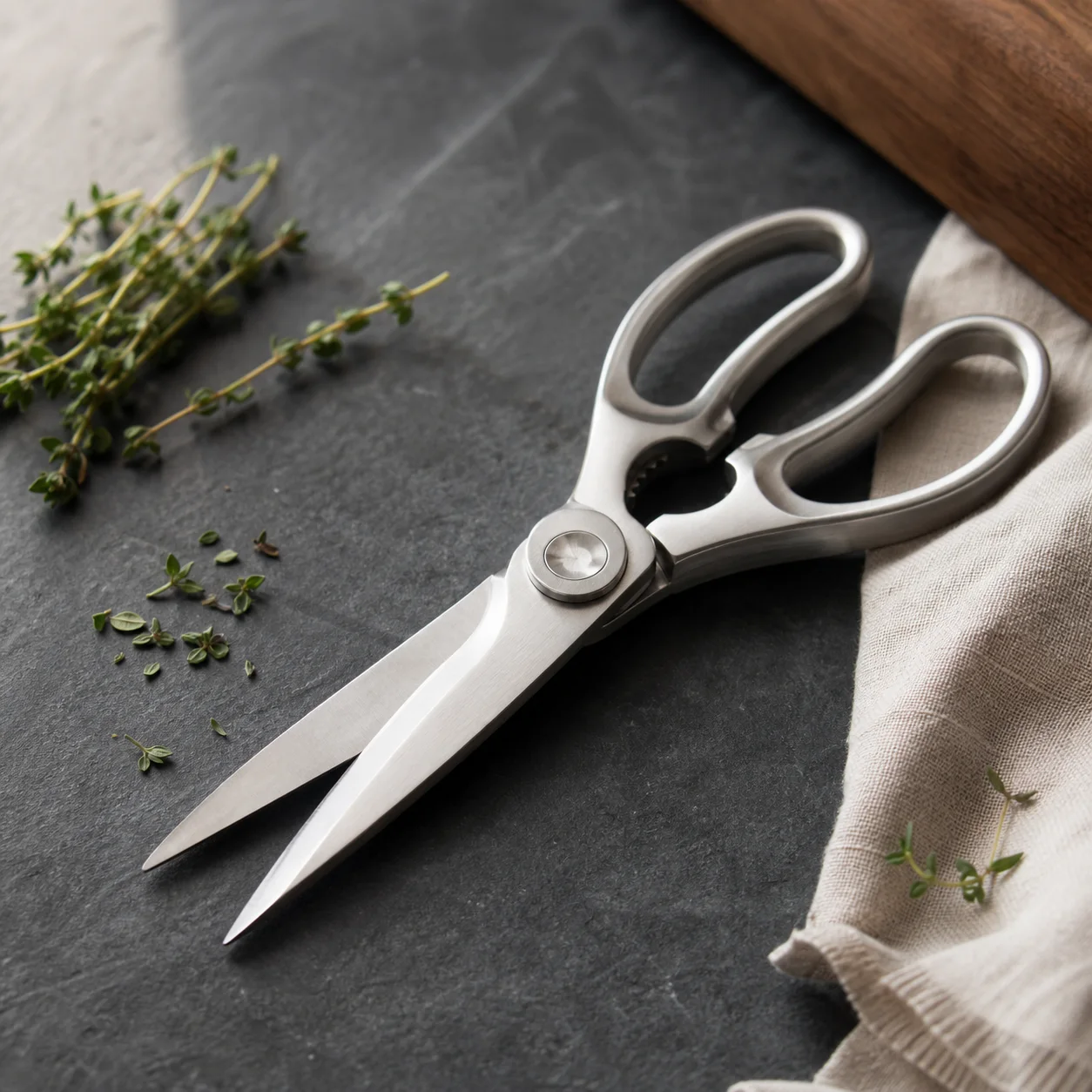
Five practical questions to ask before kitchen shears earn a place within reach.
Check Details
Tool Guide
Kitchen Shears for Weeknight Prep: A Task-First Guide
Five practical questions to ask before kitchen shears earn a place within reach.
Check Details
 Tool Guide
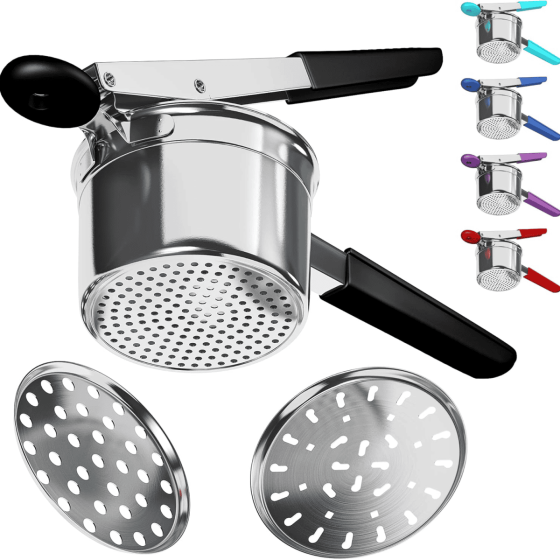
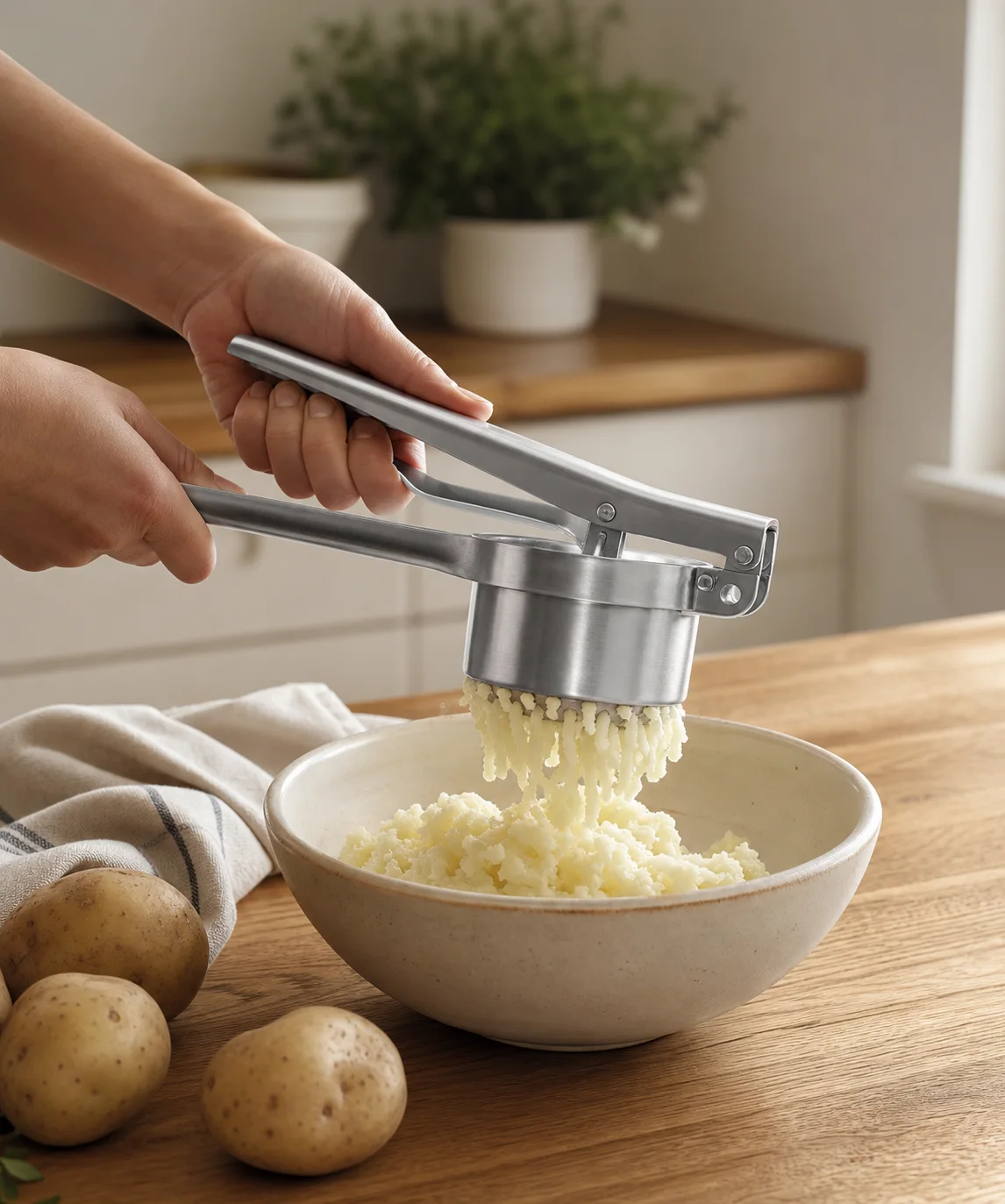
Pressing Tools: Match the Mechanism to the Result
A clearer way to compare ricers, mashers, presses, and other manual pressing tools.
Check Details
Tool Guide
Pressing Tools: Match the Mechanism to the Result
A clearer way to compare ricers, mashers, presses, and other manual pressing tools.
Check Details