
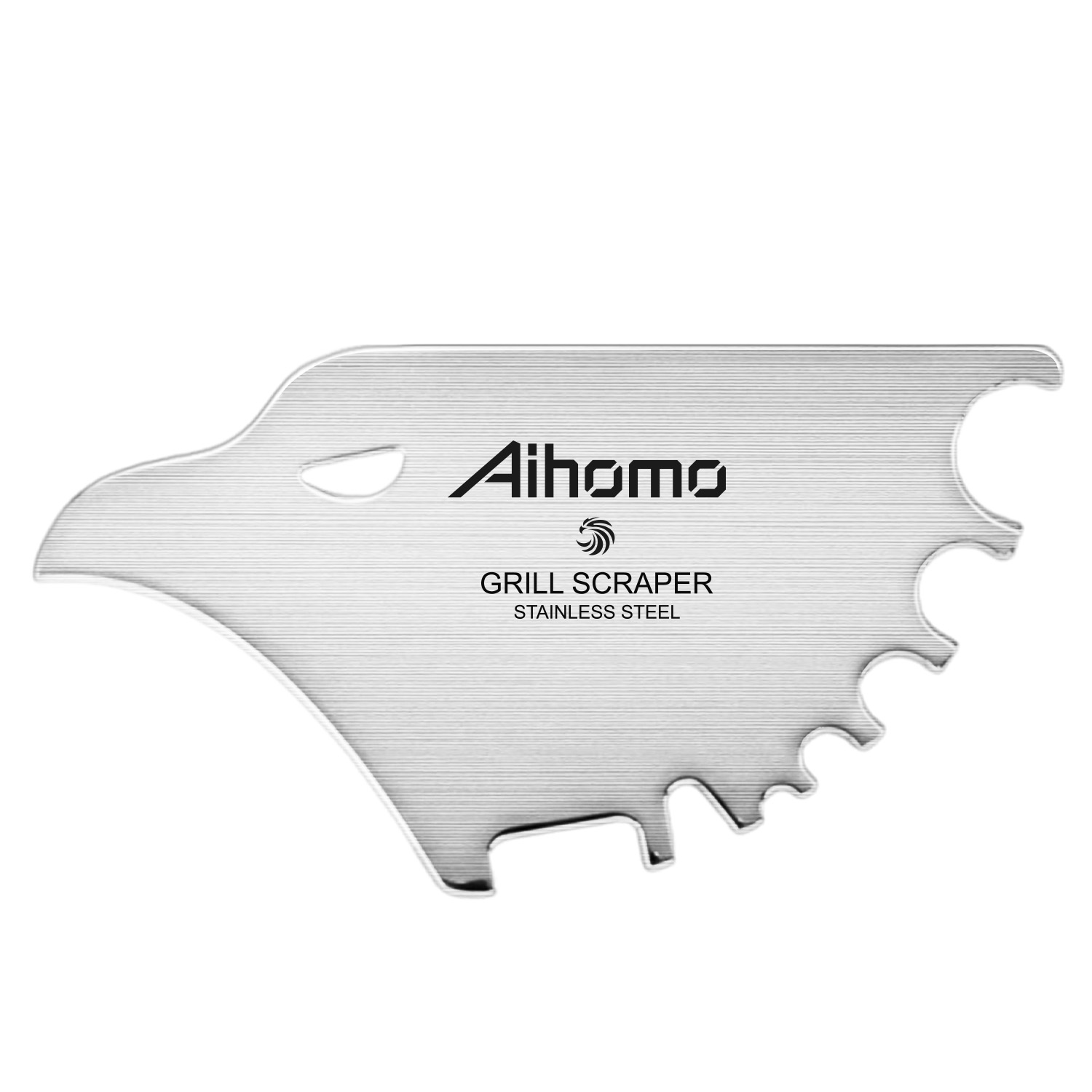
How to Use and Clean a Bristle-Free Barbecue Scraper
A UK-focused routine for selecting, using, checking and storing a bristle-free stainless-steel barbecue scraper.
In This Guide
Why does “bristle-free” matter?
A bristle-free scraper has no separate wire-bristle head. That removes one specific failure mode associated with wire brushes: a leading barbecue manufacturer’s UK safety warning says loose or broken wire bristles can reach food and cause serious internal injury if swallowed.
It does not make every scraper automatically suitable for every barbecue. A solid working edge can still wear, become damaged or mark an incompatible grate, so the complete tool and cooking surface still need inspection.
What should I check before scraping?
Confirm that the scraper profile suits the grate shape, spacing and surface. Follow both the barbecue manufacturer’s cleaning instructions and the scraper instructions, including any temperature limits, coatings or surface restrictions.
How should the scraper move?
Use controlled strokes that keep hands away from hot surfaces and unstable edges. Do not force a profile into a gap it does not fit, and stop if the scraper or grate shows unexpected movement, chipping, deep marking or other damage.
Why inspect after every use?
Check the working edge, handle, joints, residue, wear and the barbecue grate before the next cooking session. Remove anything loose or unexpected from the cooking surface before food is added.
How do I clean and store it?
Allow equipment to reach the condition specified by its instructions, remove residue without damaging the surface, wash as directed, and dry fully before storage. Keep the working edge from striking other utensils.
Sources and further reading
Related Content
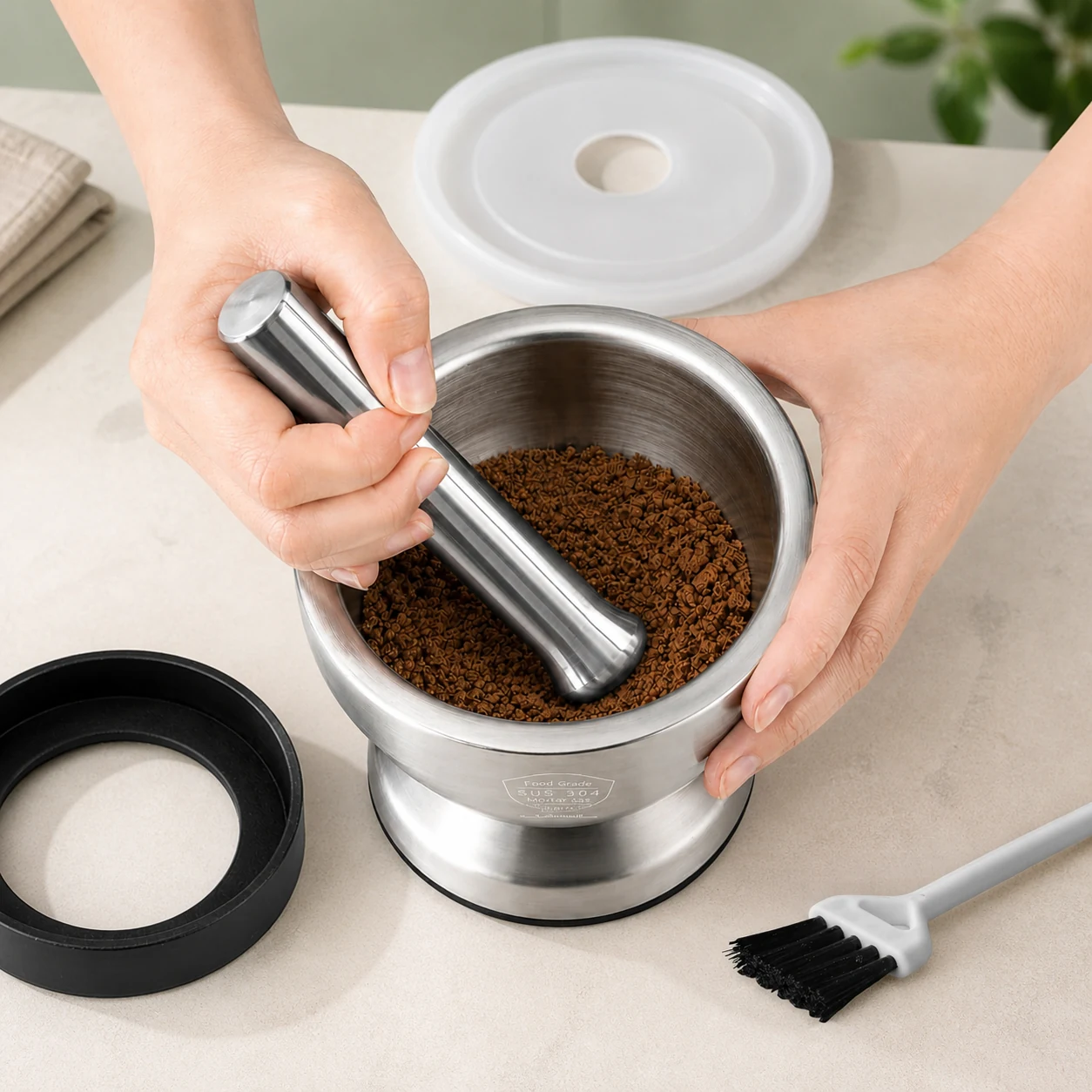 Care Guide
How to Clean and Care for Stainless-Steel Kitchen Tools
A UK-focused routine for keeping everyday stainless-steel prep tools clean, dry and ready for the next meal.
Check Details
Care Guide
How to Clean and Care for Stainless-Steel Kitchen Tools
A UK-focused routine for keeping everyday stainless-steel prep tools clean, dry and ready for the next meal.
Check Details
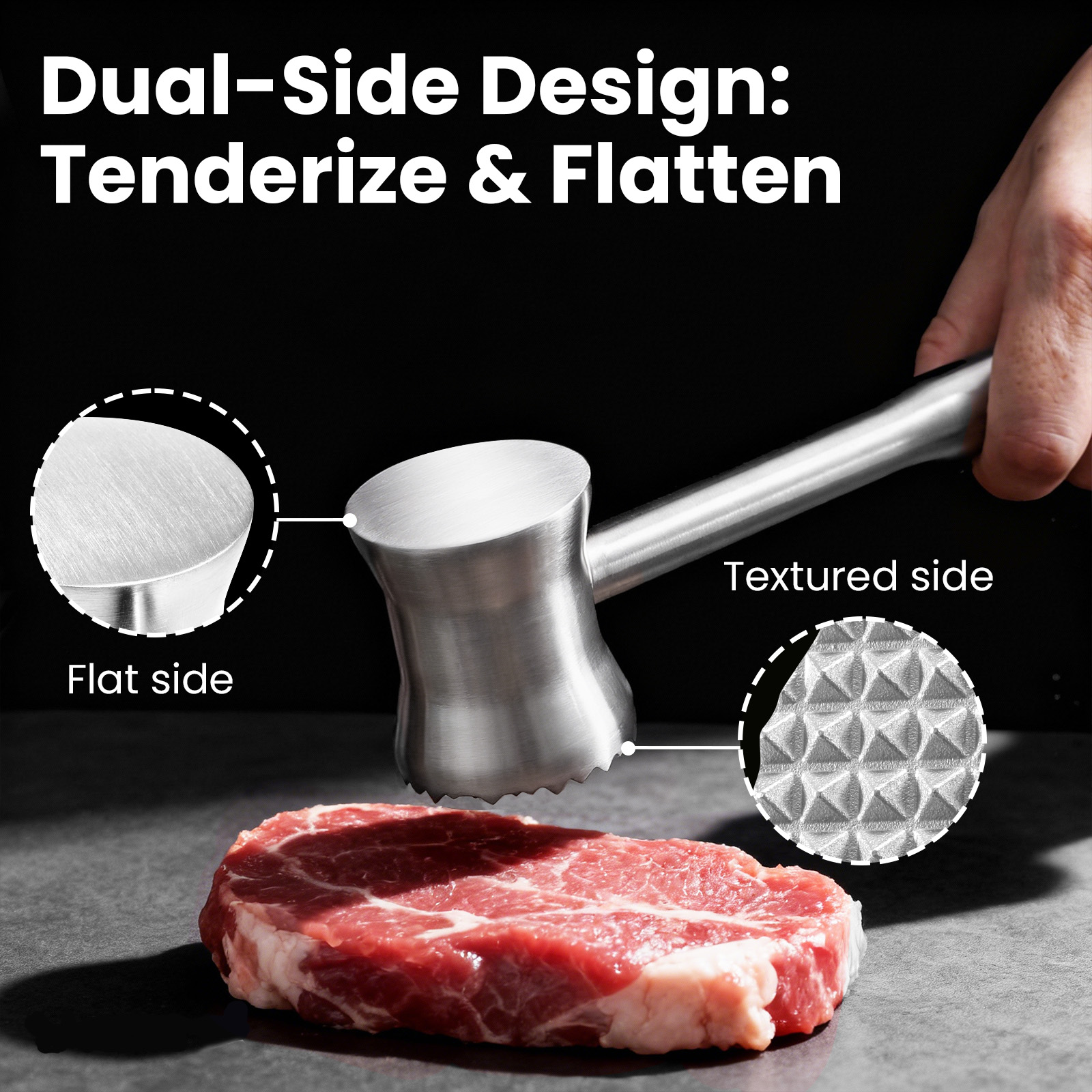 Design Note
Why Shape Matters: Grip, Joints, and Cleaning Paths
Look beyond styling and learn to read a prep tool through four functional details.
Check Details
Design Note
Why Shape Matters: Grip, Joints, and Cleaning Paths
Look beyond styling and learn to read a prep tool through four functional details.
Check Details
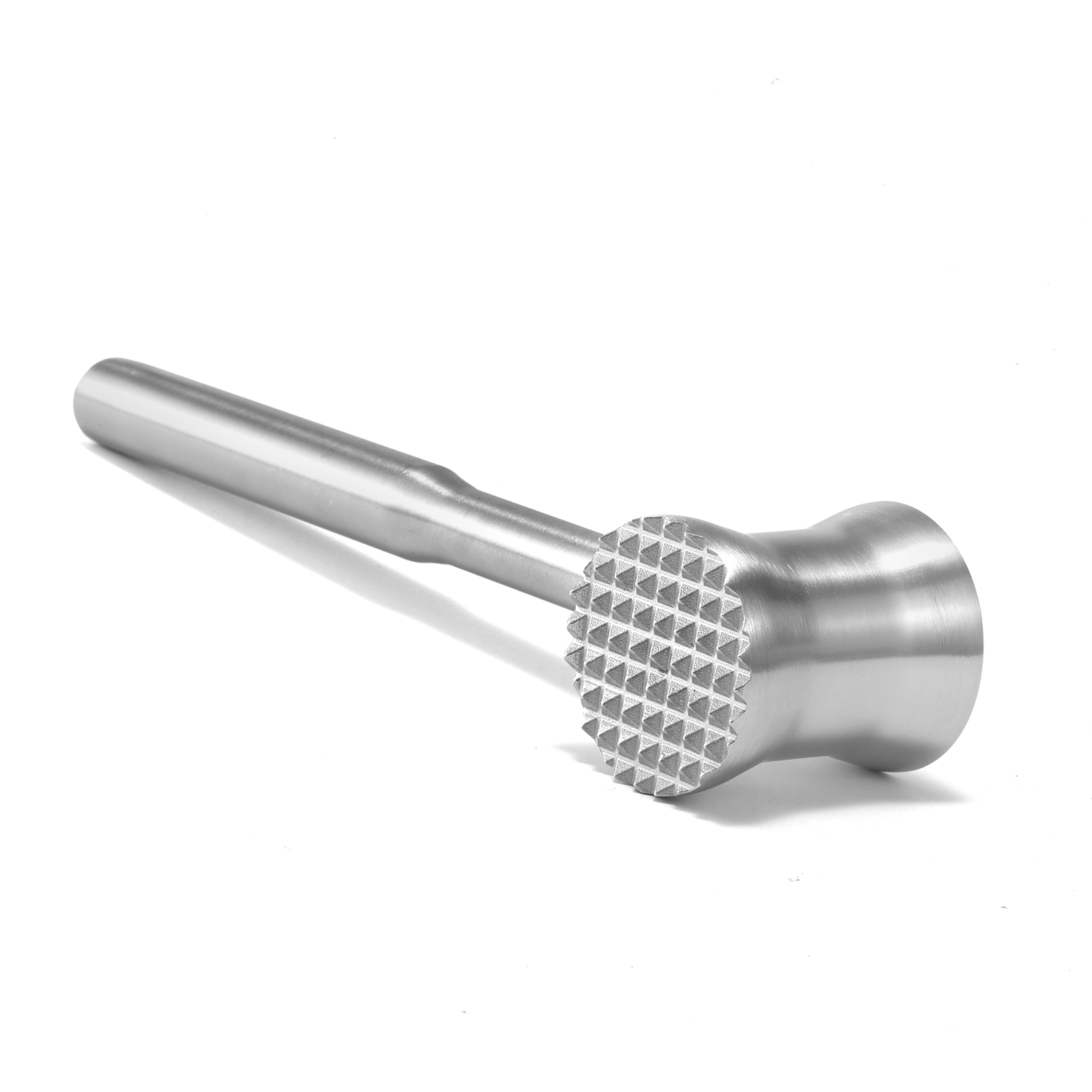 Tool Guide
Start With the Task: A Better Way to Choose Prep Tools
A practical UK checklist for comparing tenderising, mashing, grinding and coffee-prep tools with less guesswork.
Check Details
Tool Guide
Start With the Task: A Better Way to Choose Prep Tools
A practical UK checklist for comparing tenderising, mashing, grinding and coffee-prep tools with less guesswork.
Check Details