
How to Clean and Care for Stainless-Steel Kitchen Tools
A UK-focused routine for keeping everyday stainless-steel prep tools clean, dry and ready for the next meal.
In This Guide
Start with the product directions
“Stainless steel” describes a family of materials, not one universal care routine. A tool may also include coatings, soft-grip parts, pivots, fasteners, or sharp edges that change how it should be washed and stored.
Read the care information on the product page or packaging first. In particular, do not assume a tool is dishwasher-safe, designed to come apart, or suitable for prolonged soaking unless the manufacturer says so.
Remove residue before it settles
The Food Standards Agency advises keeping utensils clean and washing them thoroughly between tasks to reduce cross-contamination. After use, remove visible food from working surfaces, perforations, joints and transitions before it dries. Use a non-damaging brush or cloth that reaches the geometry without putting fingers near points or pinch areas.
After contact with raw meat, fish or poultry, wash the tool and all affected preparation surfaces before they touch ready-to-eat food. Wash your hands with soap and warm water as well; rinsing the tool or wiping the worktop is not the same as a complete clean.
Use cleaning chemicals carefully
Use only products suitable for the food-contact surfaces and other materials in the tool, following dilution, contact-time and rinsing instructions. The FSA notes that disinfectants work on a visibly clean surface, so grease and food debris have to be removed first.
Chloride-containing products, including some hypochlorite bleaches, can promote pitting if concentration, temperature or contact time is unsuitable. The British Stainless Steel Association recommends care with these products and thorough rinsing. Never mix cleaning chemicals.
Dry the whole tool
Water can remain where surfaces overlap or parts meet. After washing, dry the exterior and give hinges, baskets, cavities, and handle transitions time to drain in an open position when the product allows it.
Do not put a damp tool into a closed drawer or cupboard. Complete drying helps protect the surface and keeps the storage area easier to inspect and clean.
Store for the next safe reach
Keep sharp working ends protected and avoid loose contact that can damage edges or surprise the next hand in the drawer. Store articulated tools so they cannot spring open or place pressure on nearby items.
Before the next use, check for looseness, damage, rough edges, trapped residue, or changes in motion. Stop using a tool if its structure or safe operation is in doubt.
Sources and further reading
Related Tools
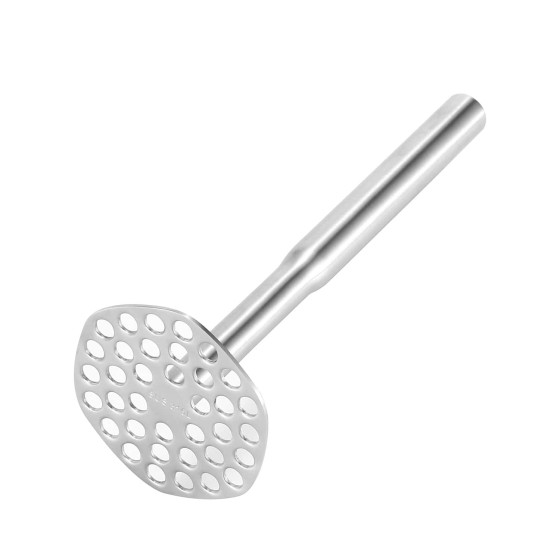
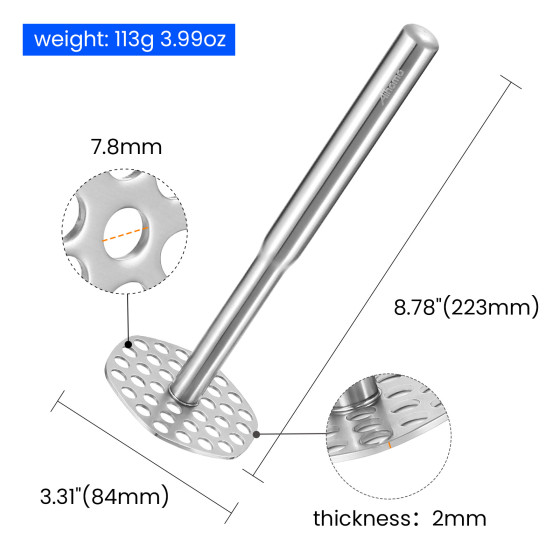
These are products from our store. Check the brand, model, current availability, and care instructions on each product page.

Related Content
 Design Note
Why Shape Matters: Grip, Joints, and Cleaning Paths
Look beyond styling and learn to read a prep tool through four functional details.
Check Details
 Care Guide
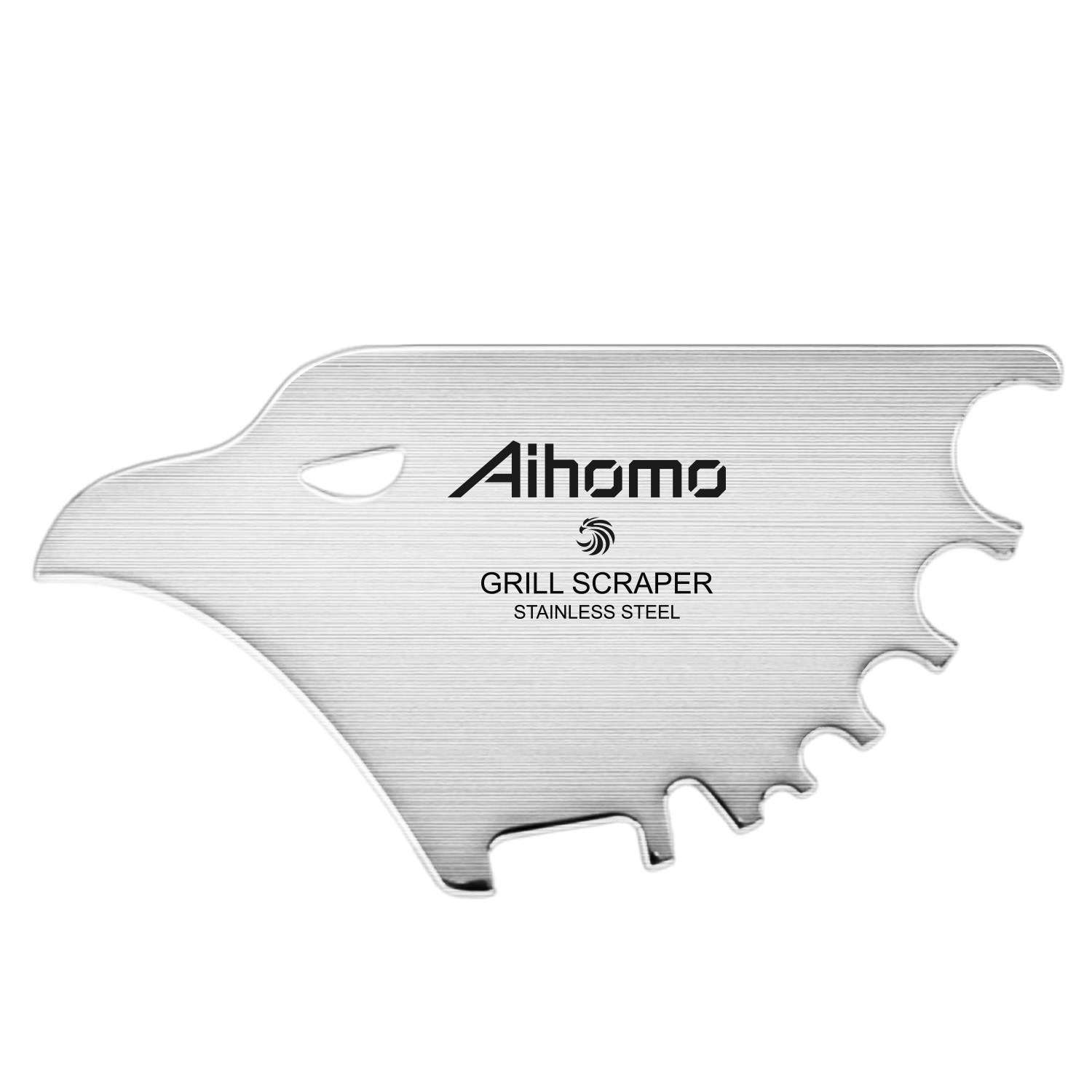
How to Use and Clean a Bristle-Free Barbecue Scraper
A UK-focused routine for selecting, using, checking and storing a bristle-free stainless-steel barbecue scraper.
Check Details
 Tool Guide
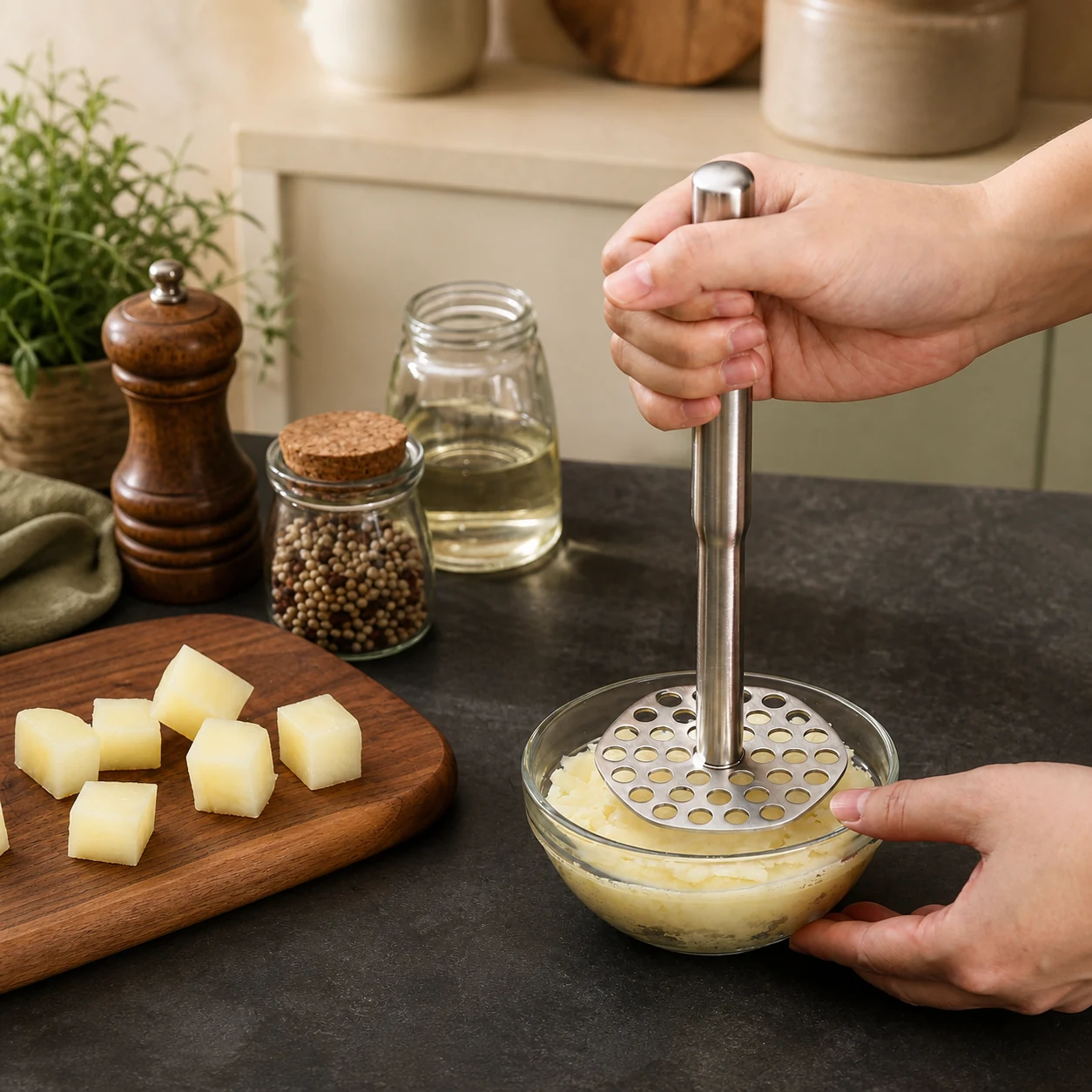
Pressing Tools: Match the Mechanism to the Result
A clearer way to compare ricers, mashers, presses, and other manual pressing tools.
Check Details