
Pressing Tools: Match the Mechanism to the Result
A clearer way to compare ricers, mashers, presses, and other manual pressing tools.
In This Guide
Define the result
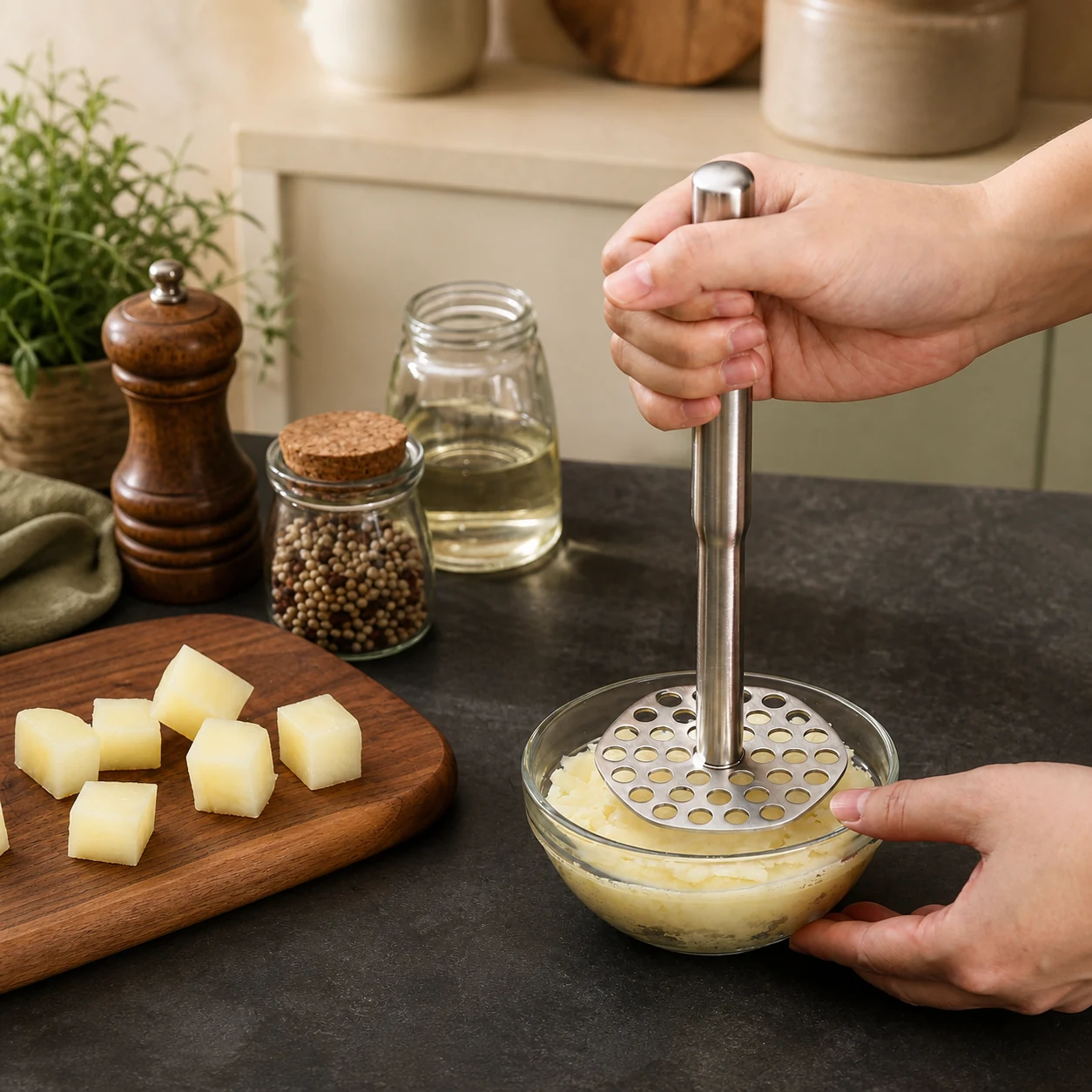
“Press” covers several outcomes. One cook may want a fine, even texture; another may want a rustic mash; another may need a small ingredient crushed with minimal handling. The desired result determines which working surface and opening pattern deserve attention.
Use recipe context and product demonstrations to understand the mechanism, then confirm that the product is intended for the ingredient you plan to prepare.
Compare the complete force path
Look from the hand position through the handle, hinge or shaft, and into the pressing surface. Length alone does not explain effort. Grip width, pivot position, load depth, alignment, and the way the tool releases all shape the movement.
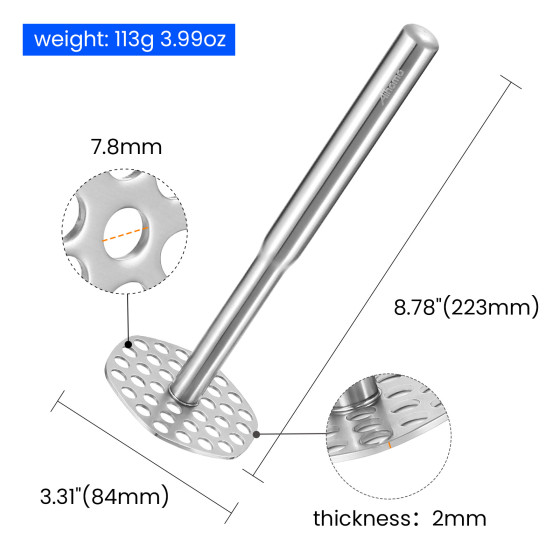
A clear side view and verified dimensions are more useful than an isolated claim that a press is “effortless.”
Match capacity to your batch
A larger chamber may hold more, but it can also change hand span, loading, and cleaning. A smaller mechanism may suit repeated small portions. Think in complete cycles: load, position, press, release, empty, and repeat.
Compare published capacity and dimensions with the amount you usually prepare. Do not overfill or force the mechanism beyond the instructions.
Inspect every place food can remain
Perforations, baskets, plates, joints, and transitions deserve a close look. Ask whether each area can be reached and inspected after use, whether any part is designed to remove, and how the tool should be dried.
The best mechanism is not only the one that creates the desired texture. It is the one whose full cycle—from loading to cleaning—fits your actual kitchen rhythm.
Related Tools
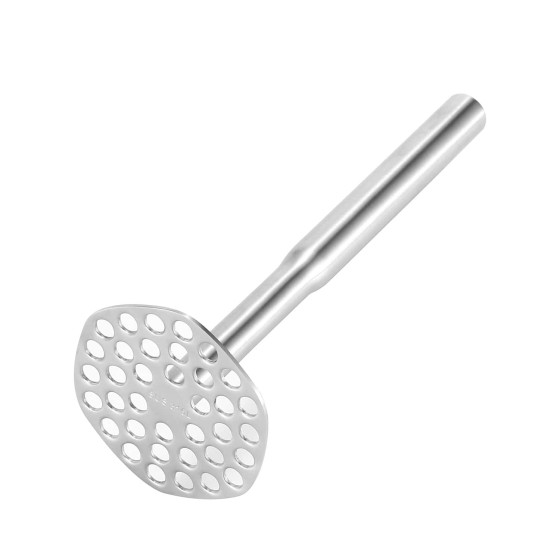
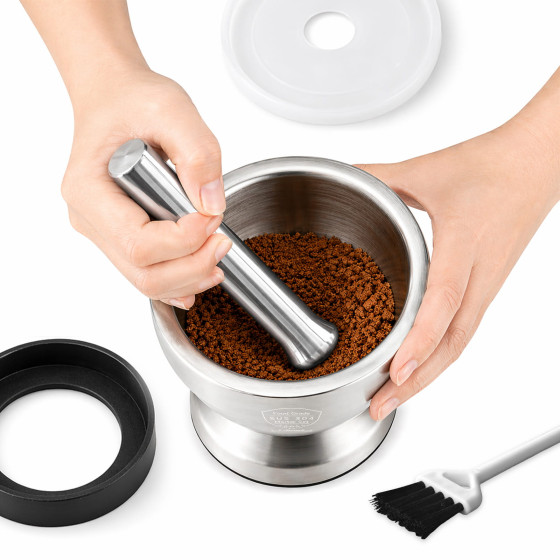
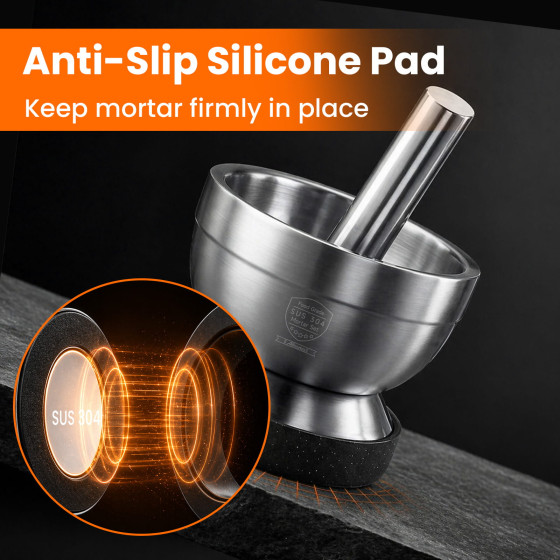
These are products from our store. Check the brand, model, current availability, and care instructions on each product page.
Related Content
 admin/page.content_types.comparison
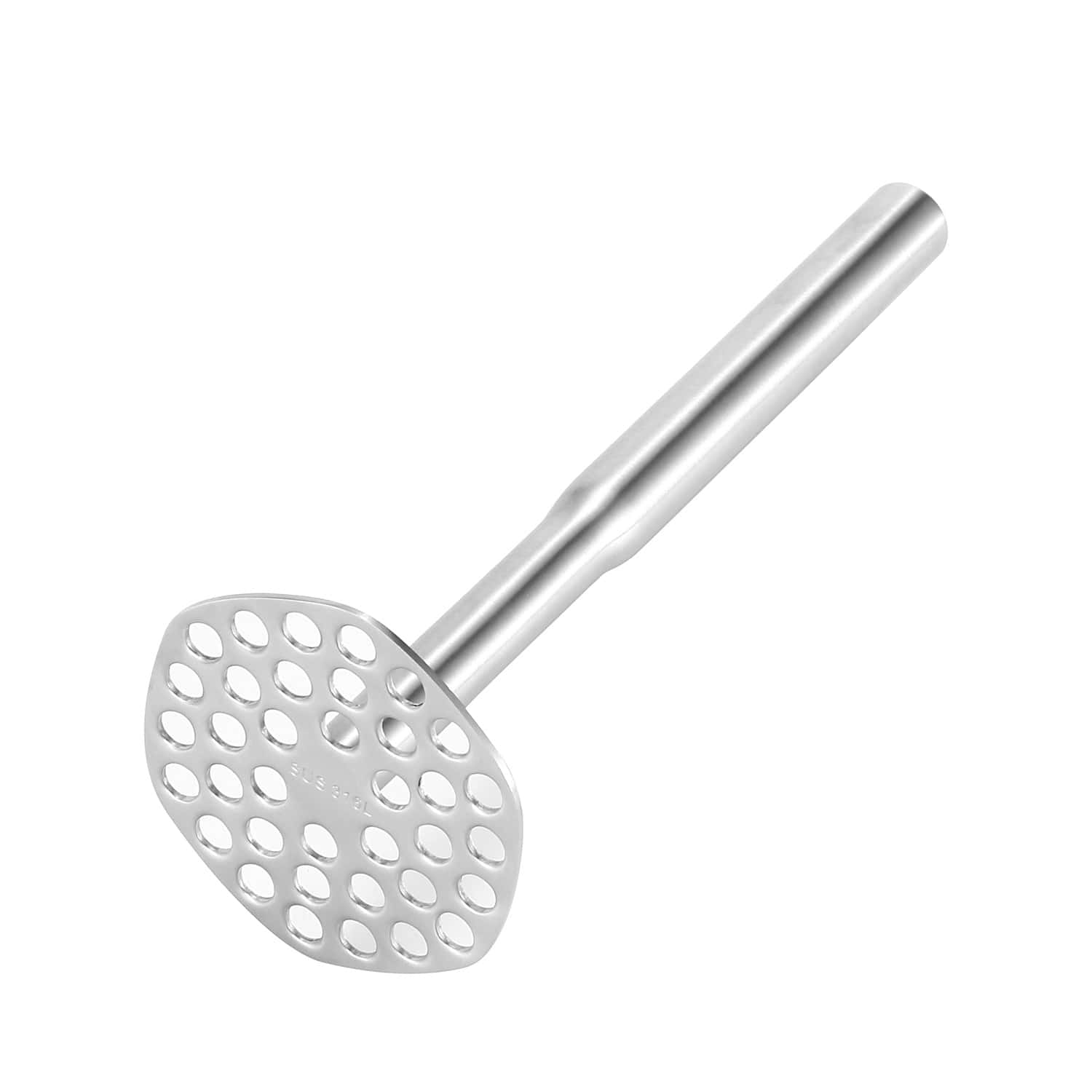
Potato Masher vs Mortar and Pestle: Which Result Do You Need?
Compare working motion, batch size, texture control, loading and cleaning before choosing.
Check Details
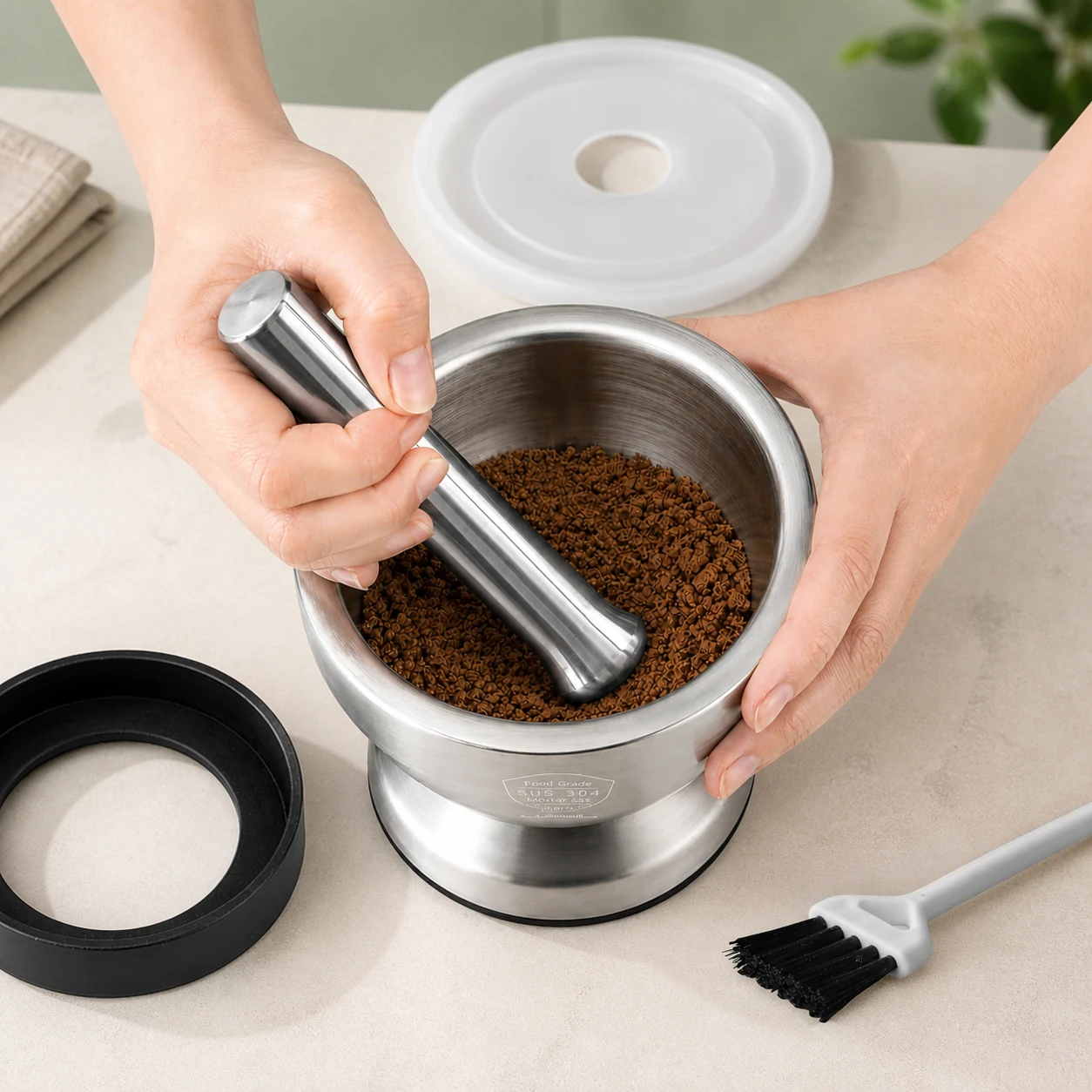 Material Guide
304, 316 and Other Stainless Steels for Kitchen Tools: A UK Guide
A wider food-contact guide to the stainless-steel numbers British shoppers see, the practical quality differences, and what still has to be checked on the finished tool.
Check Details
Care Guide
How to Clean and Care for Stainless-Steel Kitchen Tools
A UK-focused routine for keeping everyday stainless-steel prep tools clean, dry and ready for the next meal.
Check Details