
53.3 mm Coffee Distributor and Tamper: A UK Fit Guide
A specification-first checklist for UK espresso owners choosing a combined coffee distributor and tamper.
In This Guide
What is the short answer?
It fits only when its working diameter, edge profile and adjustment range are compatible with the basket you actually use. Do not choose from the espresso-machine brand or a rounded “54 mm” label alone; models, original baskets and replacement baskets can differ.
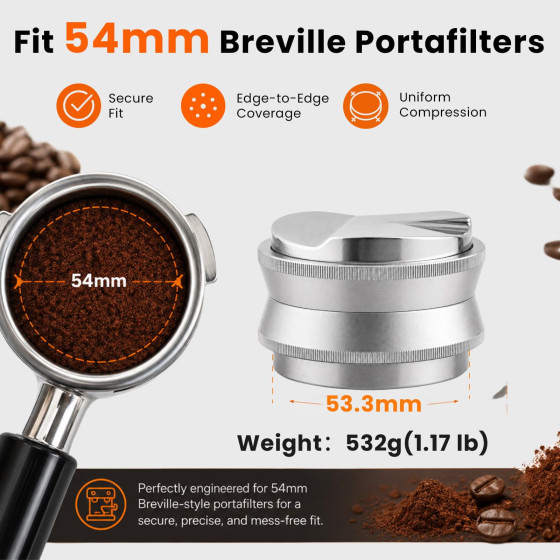
Why can a 53.3 mm tool be discussed alongside 54 mm equipment?
The number attached to a portafilter family is not necessarily the exact usable internal diameter of every basket. Sage, for example, sells a 54 mm tamper only for selected Sage machines, while specialist basket maker IMS recommends 53 mm or 53.3 mm tampers for particular 53/53.4 mm precision baskets. These first-party examples show why the basket specification—not the family label—settles the fit.
They do not establish compatibility between this ZELIND product and any Sage or IMS product. They illustrate that nominal equipment sizes and actual tool diameters serve different purposes.
What should I measure?
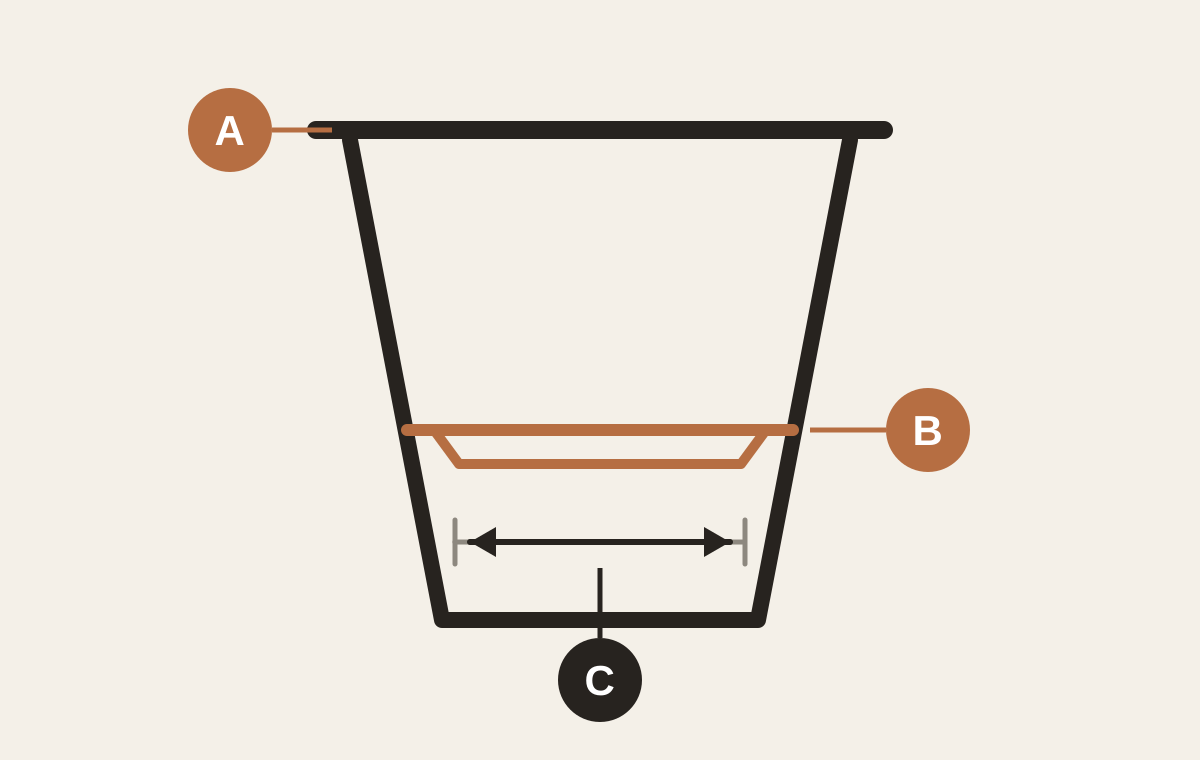
Identify the exact basket, then check its manufacturer’s published internal dimensions and recommended tamper size. The opening at the rim is not automatically the tamping diameter lower inside the basket.
If the manufacturer does not publish the required detail, remove, empty and dry the basket before measuring. Use an appropriate internal measuring tool across the working area reached by the tamper, without scratching a coating or forcing the tool against the wall. Record the measurement depth as well as the number.
Use this four-step basket check
1. Identify the basket itself: record its maker and exact code, not only the espresso-machine name.
2. Look for the basket maker’s internal dimensions and recommended tamper size before taking your own measurement.
3. Check the usable internal width at the tamping depth, noting taper, curvature, ridges, coatings and manufacturing tolerance.
4. Compare the basket specification with the tool’s verified working diameter and edge profile. There is no universal clearance number that proves a safe fit for every basket.
What does two-in-one mean here?
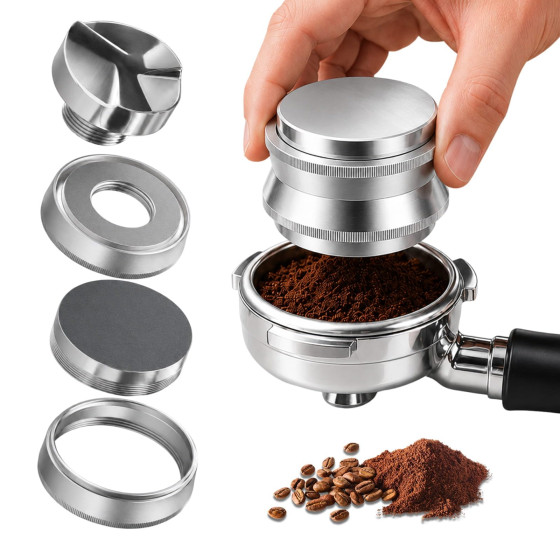
The current Aihomo listing combines a distributor and tamper in one product. Treat the two working ends as separate steps and follow the published adjustment and use instructions; the combined format does not make it automatically compatible with every workflow.
What if my measurement is close?
Do not force a tool into a basket or assume that “close enough” will clear a tapered wall. Compare verified dimensions and ask ZELIND before ordering if the basket specification or clearance is uncertain. Keep the basket, machine and tool documentation for reference.
What should I include when asking for fit help?
Share the basket maker and code, its published size, the measured internal width and depth, whether the wall is tapered or ridged, and clear photographs of the empty basket. Do not share account, order or payment details in a public discussion.
Sources and further reading
Related Tools
These are products from our store. Check the brand, model, current availability, and care instructions on each product page.
Related Content
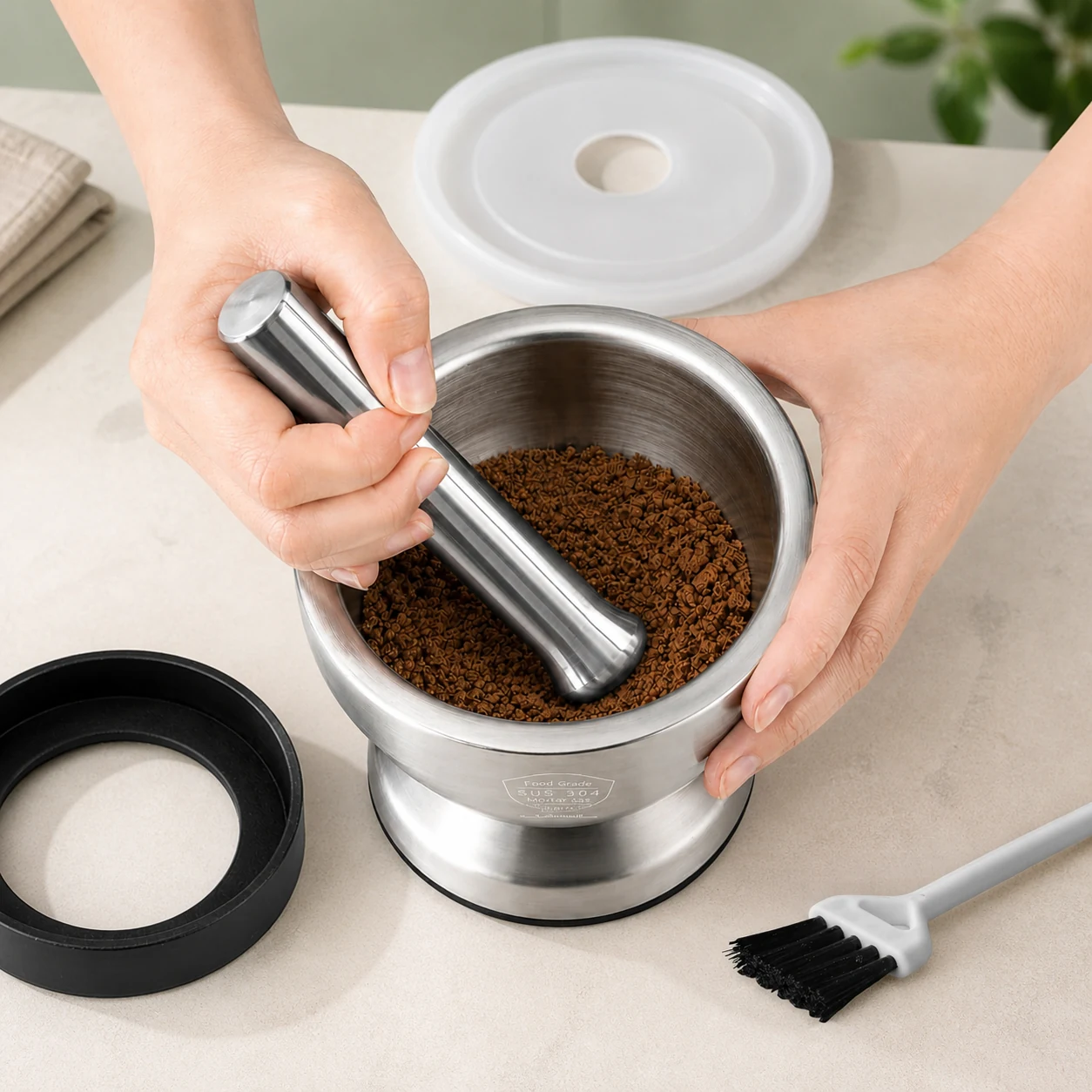 Material Guide
304, 316 and Other Stainless Steels for Kitchen Tools: A UK Guide
A wider food-contact guide to the stainless-steel numbers British shoppers see, the practical quality differences, and what still has to be checked on the finished tool.
Check Details
Material Guide
304, 316 and Other Stainless Steels for Kitchen Tools: A UK Guide
A wider food-contact guide to the stainless-steel numbers British shoppers see, the practical quality differences, and what still has to be checked on the finished tool.
Check Details
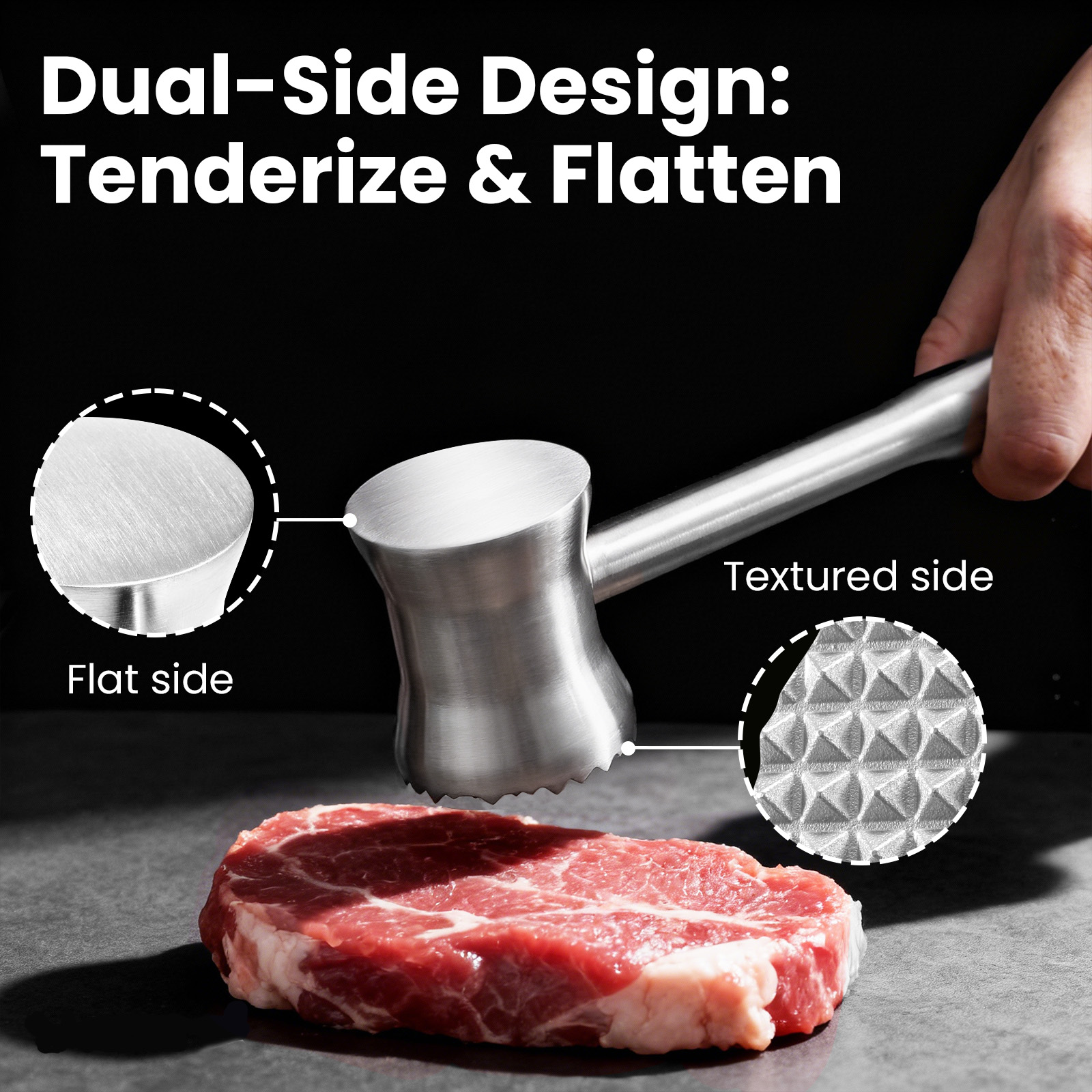 Design Note
Why Shape Matters: Grip, Joints, and Cleaning Paths
Look beyond styling and learn to read a prep tool through four functional details.
Check Details
Care Guide
How to Clean and Care for Stainless-Steel Kitchen Tools
A UK-focused routine for keeping everyday stainless-steel prep tools clean, dry and ready for the next meal.
Check Details
Design Note
Why Shape Matters: Grip, Joints, and Cleaning Paths
Look beyond styling and learn to read a prep tool through four functional details.
Check Details
Care Guide
How to Clean and Care for Stainless-Steel Kitchen Tools
A UK-focused routine for keeping everyday stainless-steel prep tools clean, dry and ready for the next meal.
Check Details